
General Synod of the Church of England Condemned Law No. 3894 "On the Ban of the UOC," February 27, 2024
Report of the General Synod of the Church of England condemning Law No. 3894 on the ban of the UOC
On February 27, 2024, the General Synod of the Church of England published a report expressing concern and criticizing Draft Law No. 8371, which was subsequently adopted by the Verkhovna Rada as Law of Ukraine No. 3894.
The report was prepared in January 2024 by Mark Sheard, Chair of the Council for Mission and Public Affairs.
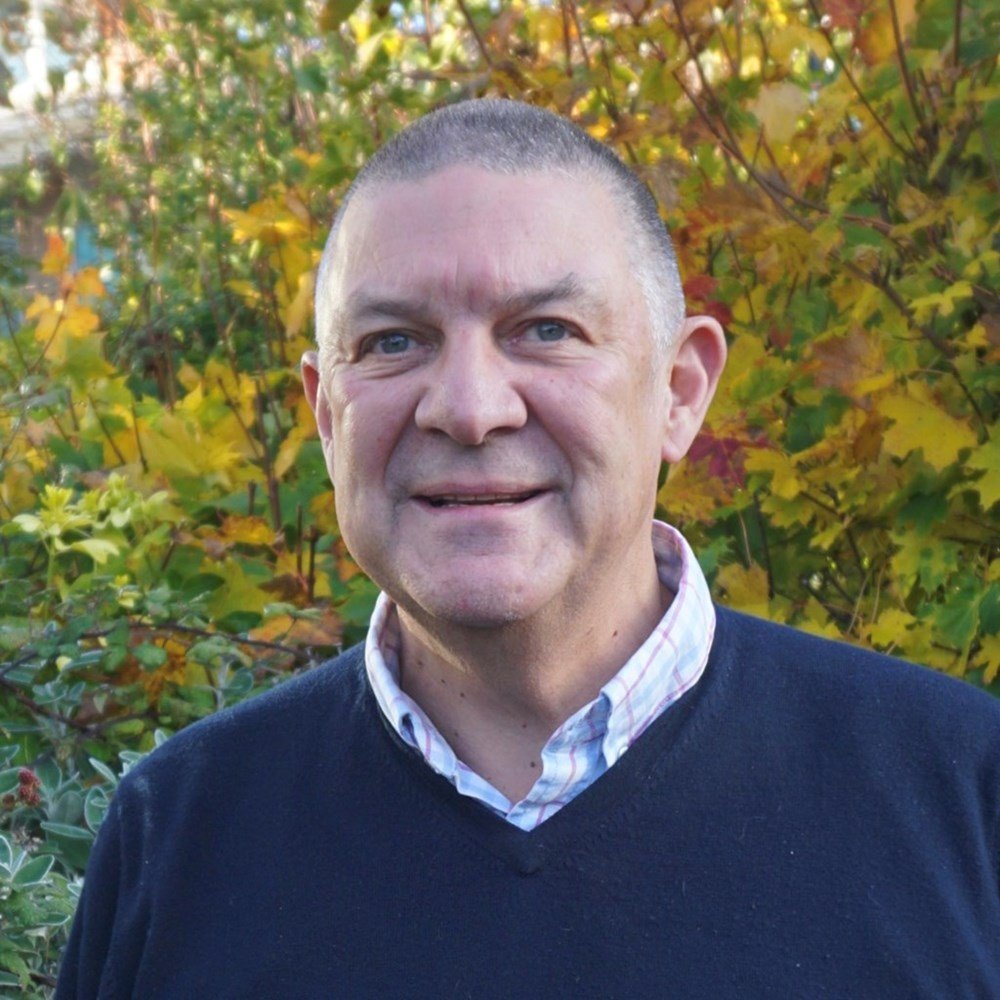
Mark Sheard
The General Synod expressed concern over the use of religion as a weapon in the Russia-Ukraine war.
The document emphasizes that tensions between the OCU and the UOC have escalated into violence.
"These tensions have affected freedom of religion or belief in territory controlled by the Ukrainian Government.
Since February 2022, the UN Office of the High Commissioner for Human Rights (OHCHR) has documented ten cases of physical violence and six cases of threatened violence resulting from disputes between parishioners of different Orthodox communities. OHCHR is concerned that Ukrainian law enforcement's response in these cases has been inadequate.
In addition, according to Ukrainian authorities, since February 2022, of the more than 6,600 criminal cases brought against individuals for collaboration and other conflict-related crimes, 68 have involved Ukrainian Orthodox Church clergy members. It is important to ensure full respect for due process and fair trial rights in these cases. The Office of the UN High Commissioner for Human Rights has identified concerns regarding the fairness of the criminal proceedings in at least 26 cases involving Ukrainian Orthodox Church clergy members."
The General Synod expressed concern over legislative changes in Ukraine that may affect the exercise of the right to freedom of religion or belief.
"In October 2023, Ukraine's Parliament approved in its first reading a set of draft amendments (Draft Law 8371) to the law on religious organisations, which would establish a procedure for the dissolution of 'religious organisations affiliated with influence centres, the management of which is located in a country which carries out armed aggression against Ukraine.'
The Bishop of Leeds, the Church's Lead Bishop on Foreign Policy, wrote to the Ukrainian Government and the Chair of the Ukrainian Parliament to remind them that international law permits restrictions on the freedom to manifest religion only if they are prescribed by law and necessary to protect public safety, order, health or morals, or the fundamental rights and freedoms of others.
While recognizing the emergency situation that Ukraine finds itself in, many of the amendment's key terms are vague, lack definition and are open to discriminatory interpretation in ways that violate international norms on freedom of religion or belief.
At its most basic, this amendment threatens collective punishment."
The document argues that there is no need for the new draft law, and that individuals who have committed crimes can be prosecuted under existing Ukrainian criminal law.
"Draft Law 8371 threatens Ukraine's social cohesion at a time when it needs a unified societal response to Russian aggression.
It encourages an ethno-religious nationalism that will be detrimental to Ukraine's long-term Western trajectory.
It does not recognize the great lengths that the UOC has taken to distance itself from the Russian Orthodox Church, or the fact that many of its members serve faithfully as Ukrainian citizens in the country's armed forces — often at immense cost.
This Draft Law has impeded efforts by the World Council of Churches to foster dialogue between the UOC and the OCU, as there is now little incentive for the latter to engage in facilitated dialogue when the UOC is on the cusp of being outlawed and when such a move will reinforce its own role as the defender of the faith in Ukraine."
The General Synod drew attention to the Ukrainian authorities' attempt to expel UOC monks from the Kyiv Pechersk Lavra.
"In Ukraine, the Ministry of Culture terminated an early rental agreement with the Ukrainian Orthodox Church of the state-owned Kyiv Pechersk Lavra monastery. Following UN advocacy, authorities refrained from taking actions that risked violence and did not forcibly evict the Church from the monastery, but the practice of terminating property rental agreements with the Ukrainian Orthodox Church has been pursued by several municipal councils, the cumulative impact of which is discriminatory."
It should be noted that representatives of the Ukrainian authorities moved to persecute the monastic brotherhood of the Holy Dormition Kyiv Pechersk Lavra, as well as the Kyiv Metropolitanate of the UOC and the Kyiv Theological Academy and Seminary, which were located on the monastery's grounds.
A large portion of the monastery buildings were unlawfully seized by representatives of the National Preserve "Kyiv Pechersk Lavra."
Free access for pilgrims and UOC clergy to the monastery grounds was closed, and the monks are being compelled to leave the Lavra.
Full original text
"A matter of particular concern is the way that religion, always a contested subject in Russia-Ukraine relations, has become increasingly weaponised as the war has progressed. Tensions between the Ukrainian Orthodox Church, which has historic links to the Moscow Patriarchate of the Russian Orthodox Church, and the Orthodox Church of Ukraine, which obtained autocephaly under the Constantinople Patriarchate in 2019, increased following the February 2022 invasion. In some cases tensions have spillover into violence.
These tensions have affected freedom of religion or belief (FoRB) in the territory controlled by the Ukrainian Government. Since February 2022, the UN Office of the High Commissioner for Human Rights (OHCHR) has documented ten cases of physical violence and six cases of threatened violence resulting from disputes between parishioners of different Orthodox communities. OHCHR is concerned that Ukrainian law enforcement's response in these cases has been inadequate. In addition, according to Ukrainian authorities, since February 2022, of the more than 6,600 criminal cases brought against individuals for collaboration and other conflict-related crimes in Ukraine, 68 have involved Ukrainian Orthodox Church clergy members. It is important to ensure full respect for due process and fair trial rights in these cases. The OHCHR has identified concerns regarding the fairness of the criminal proceedings in at least 26 cases involving Ukrainian Orthodox Church clergy members.
There are also concerns that recent legislative developments in Ukraine may impact enjoyment of FoRB. In October 2023, Ukraine's Parliament approved in its first reading a set of draft amendments (Draft Law 8371) to the law on religious organisations, which would establish a procedure for the dissolution of "religious organisations affiliated with influence centres, the management of which is located in a country, which carries out armed aggression against Ukraine."
The Bishop of Leeds, the Church's Lead Bishop on Foreign Policy, has written to the Ukrainian Government and the Chair of the Ukrainian Parliament to remind them that international law permits restrictions on the freedom to manifest religion only if they are prescribed by law and necessary to protect public safety, order, health or morals, or the fundamental rights and freedoms of others. While recognising the emergency situation that Ukraine find itself in, many of the amendment's key terms are vague, lack definition and are open to discriminatory interpretation in ways that violate international norms on FoRB. At its most basic, this amendment threatens collective punishment. Arguably, this Draft Law is unnecessary: where individuals have committed treason or other criminal actions against the interests of the state, then they can be held accountable under existing criminal Ukrainian law through due process.
Draft Law 8371 threatens Ukraine's social cohesion at a time when it needs a unified societal response to Russian aggression. It encourages an ethno-religious nationalism that will be detrimental to Ukraine's long term Western trajectory. It does not recognize the great lengths that the Ukrainian Orthodox Church has taken to distance itself from the Russian Orthodox Church or the fact that many of its members serve faithfully as Ukrainian citizens in the country's armed forces - often with immense cost. This Draft Law has impeded efforts by the World Council of Churches to foster dialogue between the Ukrainian Orthodox Church and the Orthodox Church of Ukraine as there is now little incentive for the latter to engage in facilitated dialogue when the Ukrainian Orthodox Church is on the cusp of being outlawed and when such a move will reinforce its own role as the defender of the faith in Ukraine".
"In Ukraine, the Ministry of Culture terminated an early rental agreement with the Ukrainian Orthodox Church of the state-owned Kyiv Pechersk Lavra monastery. Following UN advocacy, authorities refrained from taking actions that risked violence and did not forcibly evict the Church from the monastery, but the practice of terminating property rental agreements with the Ukrainian Orthodox Church has been pursued by several municipal councils, the cumulative impact of which is discriminatory".
Правовая оценка
О документе
Организация
Church of England — General Synod
Об организации
Генеральный Синод Церкви Англии — высший законодательный орган Англиканской Церкви, регулярно принимающий заявления по вопросам религиозной свободы в мире.